Abdominoplasty / Tummy Tuck Sydney

With Dr. Mark Kohout

Abdominoplasty in Sydney

Abdominoplasty, sometimes referred to as tummy tuck, is a procedure that removes excess abdominal skin and may include repair of separated abdominal muscles. It may be considered by patients with concerns such as excess abdominal skin after pregnancy, significant weight change, previous abdominal surgery or abdominal wall separation. In some cases, patients may also seek assessment where overhanging skin contributes to irritation, hygiene concerns or discomfort. The procedure is part of body surgery and may be discussed alongside related procedures such as liposuction, body lift or other abdominal procedures, depending on clinical suitability.

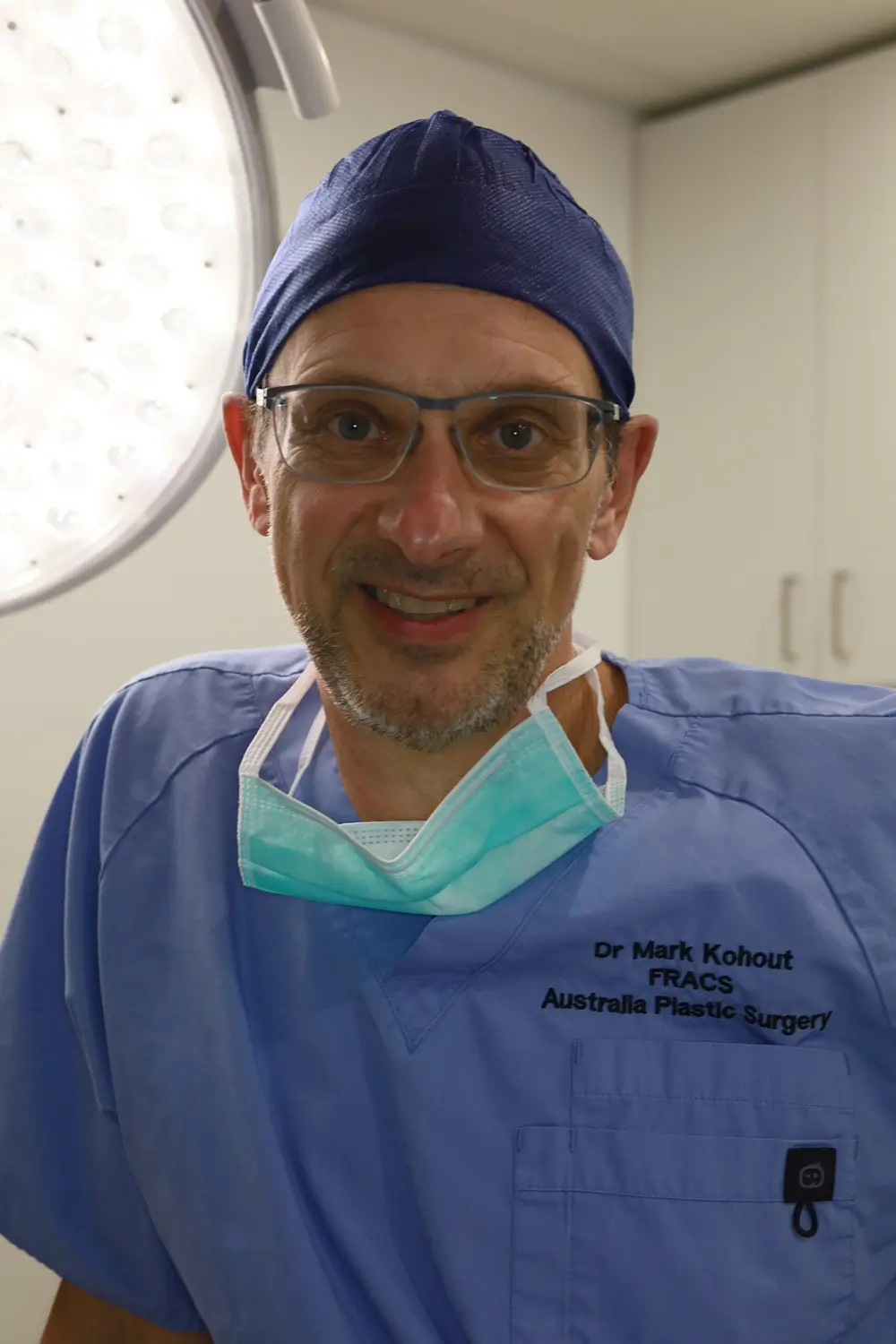
Dr Mark Kohout is a Specialist Plastic Surgeon in Sydney with specialist registration in Surgery – Plastic Surgery and AHPRA registration MED0001133000. Consultations are available through clinic locations in Glebe, central Sydney, and Orange NSW. Surgery is performed in accredited hospital settings, with Ramsay Health Care listing Dr Kohout as practising in Plastic and Reconstructive Surgery at Hunters Hill Private Hospital. The appropriate hospital setting, anaesthetic plan and aftercare pathway are discussed during consultation and depend on the individual surgical plan.

Abdominoplasty at a Glance

Abdominoplasty is usually performed under general anaesthesia in an accredited hospital setting. The surgical plan varies depending on the amount of excess skin, abdominal wall condition, previous scars, medical history and whether muscle repair is clinically appropriate.

Patients should have time to consider the information provided before deciding whether to proceed with surgery. During consultation, Dr Kohout will discuss the proposed approach, expected recovery pathway, scar placement, risks, costs and aftercare based on your individual circumstances.

Procedure

Abdominoplasty

Treatment Area

Abdomen

Anaesthesia

Usually general anaesthesia

Hospital Stay

Varies depending on the surgical plan

Muscle Repair

May be included where clinically appropriate

Scarring

A permanent scar, usually placed low across the abdomen, is expected

Recovery

Varies between patients

Medicare/Private Health

May apply in selected cases

Consultation

Required before suitability can be assessed

Key points:

  • The procedure is planned according to individual anatomy.
  • Muscle repair may be included where clinically appropriate.
  • Recovery instructions vary between patients.
  • Costs can only be confirmed after assessment.

What Is Abdominoplasty?

Abdominoplasty is an operation that removes excess abdominal skin and tissue. In some cases, it also includes repair of separated abdominal muscles, known as rectus diastasis. The procedure is intended to address skin and abdominal wall changes, not overall weight reduction.

The incision is usually placed low on the abdomen. The length and position of the incision depend on the amount of excess skin, existing scars, skin quality and the surgical plan. Some patients may also require repositioning of the umbilicus.

Key points:

  • Abdominoplasty removes excess abdominal skin.
  • Muscle repair may be included where clinically appropriate.
  • The procedure is not a weight-loss treatment.
  • Scar position varies between patients.
Is Abdominoplasty Suitable For Me Infographic by Dr Mark Kohout

Is Abdominoplasty Suitable for Me?

Whether abdominoplasty is suitable depends on several factors, including your abdominal skin, abdominal wall condition, weight stability, medical history, smoking status and recovery needs. A consultation is required before any recommendation can be made.

Some patients seek advice when excess abdominal skin, abdominal wall separation or skin fold symptoms remain despite stable weight and general health measures. However, surgery is not suitable for everyone, and alternative options may be discussed.

Key points:

  • Suitability depends on clinical assessment.
  • Stable weight is usually important.
  • Smoking and some medical conditions may increase risk.
  • Recovery needs should be considered before surgery.

Why Might I Consider Abdominoplasty?

People consider abdominoplasty for different reasons. Some have excess abdominal skin after pregnancy or weight change. Others may have abdominal wall separation, skin fold irritation or difficulty with clothing due to loose abdominal tissue.

It is important to separate appearance-related concerns from medical or functional symptoms. Abdominoplasty may change the abdominal area by removing excess skin and repairing muscle separation where appropriate, but it cannot guarantee a specific appearance.

Key points:

  • Some patients consider surgery after pregnancy.
  • Some consider it after significant weight change.
  • Skin folds may cause irritation or hygiene concerns.
  • Surgery should be considered only after informed assessment.

What Concerns Can Abdominoplasty Address?

Abdominoplasty may address excess skin and tissue in the abdominal area. Where clinically appropriate, it may also include repair of separated abdominal muscles. This may be relevant for patients after pregnancy, weight change or previous abdominal surgery.

The surgical plan depends on the amount and location of excess skin, abdominal wall condition and overall health. Some patients require a standard approach, while others may need a more extensive procedure.

Key points:

  • It may address excess abdominal skin.
  • It may address abdominal wall separation.
  • It may reduce overhanging skin folds.
  • The approach depends on individual assessment.

What Can’t Abdominoplasty Do?

Abdominoplasty is not a substitute for weight management, exercise or treatment of unrelated medical conditions. It does not remove internal abdominal fat, which sits around the organs and cannot be treated through this operation.

The procedure also cannot prevent future changes caused by weight fluctuation, pregnancy, ageing or medical conditions. Scars are expected, and the final scar appearance varies between patients.

Key points:

  • It is not a weight-loss procedure.
  • It does not remove internal abdominal fat.
  • It cannot prevent future body changes.
  • It cannot guarantee a specific appearance.

Am I Suitable for Abdominoplasty?

A person may be considered for abdominoplasty if they are in stable general health, have excess abdominal skin, understand the recovery process and have realistic expectations. Weight stability is also important because future weight changes can affect the outcome.

During consultation, Dr Kohout will review your medical history, previous operations, medications, allergies, abdominal anatomy and smoking status. The discussion should include risks, limitations, alternatives and expected recovery.

Key points:

  • General health is important.
  • Weight stability is usually recommended.
  • Recovery time should be planned.
  • Expectations should be realistic and informed.

When Might Abdominoplasty Not Be Suitable for Me?

Abdominoplasty may not be suitable for patients with unstable weight, current nicotine use, certain medical conditions or higher anaesthetic risk. Patients planning pregnancy in the near future may also be advised to delay surgery.

Consultation is also used to determine whether another option may be more appropriate. For example, patients with mainly fat deposits and firm skin may not require abdominoplasty, while patients with extensive skin excess may require a different surgical plan.

Key points:

  • Current smoking or nicotine use may increase risk.
  • Future pregnancy may affect timing.
  • Some medical conditions may make surgery unsuitable.
  • Another treatment pathway may be more appropriate.

What Are the Different Types of Abdominoplasty?

There are different forms of abdominoplasty. The most appropriate type depends on the amount and location of excess skin, abdominal wall condition, previous scars and whether muscle repair is required.

A consultation and physical examination are needed to determine the surgical approach. It is not always possible to choose the most appropriate procedure based on photographs or online information alone.

Key points:

Revision surgery may be considered after previous procedures.

Is Abdominoplasty the Same as Liposuction?

Abdominoplasty and liposuction are different procedures. Abdominoplasty addresses excess skin and may include repair of separated abdominal muscles. Liposuction removes selected fat deposits but does not remove significant skin excess.

Some patients may be suited to one procedure, some to the other, and some to a combined approach. The decision depends on skin quality, fat distribution, abdominal wall condition and treatment goals.

Key points:

  • Abdominoplasty removes excess skin.
  • Liposuction addresses selected fat deposits.
  • Liposuction does not repair separated muscles.
  • Suitability depends on examination.

What Happens During My Abdominoplasty Consultation?

The consultation is used to assess whether abdominoplasty may be appropriate for you. Dr Kohout will ask about your medical history, previous surgery, pregnancies, weight changes, medications, allergies and smoking status.

A physical examination is usually required to assess skin excess, fat distribution, abdominal wall separation and existing scars. You should also have the opportunity to ask questions about risks, recovery, costs and alternatives.

Key points:

  • Your medical history will be reviewed.
  • Your abdominal area will be assessed.
  • Risks, scars and recovery should be discussed.

A written quote may be provided after assessment.

How Is Abdominoplasty Surgery Performed?

Abdominoplasty is usually performed under general anaesthesia. The procedure begins with incision planning, usually with the incision placed low on the abdomen. The exact position and length depend on anatomy and the surgical plan.

Excess skin and tissue are removed. If muscle repair is required, this is performed during the operation. The umbilicus may need to be repositioned. The wound is then closed, dressings are applied, and drains or a compression garment may be used.

Key points:

  • The operation is usually performed under general anaesthesia.
  • Excess skin and tissue are removed.
  • Muscle repair may be included if appropriate.
  • Dressings, drains or garments may be used after surgery.

What Is Recovery Like After Abdominoplasty?

Recovery after abdominoplasty varies between patients. It depends on the type of procedure, whether muscle repair was included, your general health, your work duties and how your body heals.

Swelling, bruising, tightness and discomfort are expected in the early recovery period. You will receive instructions about walking, wound care, compression garments, medications, sleeping position and activity restrictions.

Key points:

  • Recovery varies between patients.
  • Swelling and tightness are expected early.
  • Activity restrictions, including limits on exercise after abdominoplasty, are usually required during recovery.
  • Follow-up appointments help monitor healing.

What Scars Should I Expect After Abdominoplasty?

A permanent scar is expected after abdominoplasty. The main scar is usually located low on the abdomen, but the exact position and length vary. Some patients may also have a scar around the umbilicus.

Abdominoplasty scars change over time, but the final appearance varies between patients. Factors such as genetics, wound healing, skin type, smoking status, infection and aftercare can influence scar appearance.

Key points:

  • Scarring is permanent.
  • Scar length and position vary.
  • Some patients have an umbilical scar.
  • Scar appearance varies between individuals.
Extended Abdominoplasty by Dr Mark Kohout

What Are the Potential Benefits of Abdominoplasty?

Abdominoplasty may provide functional or anatomical benefits for selected patients. These may include removal of excess abdominal skin, reduction of overhanging skin folds, and repair of separated abdominal muscles where clinically appropriate.

Potential benefits vary between patients and depend on anatomy, skin quality, weight stability, healing and the surgical plan. The procedure cannot guarantee a particular appearance, and all surgery carries risks.

Key points:

  • May remove excess abdominal skin.
  • May reduce overhanging skin folds.
  • May include muscle repair where appropriate.
  • May assist with irritation or hygiene concerns related to excess skin.
  • Outcomes vary between patients.
What Are the Potential Benefits of Abdominoplasty Infographic by Dr Mark Kohout

What Are the Risks of Abdominoplasty?

All surgery carries risks. Abdominoplasty risks include bleeding, infection, delayed wound healing, fluid collection, numbness, visible scarring, asymmetry, blood clots, anaesthetic complications and the possibility of revision surgery.

Risks should be discussed during consultation before deciding whether to proceed. You should understand common and less common complications, as well as what would happen if a complication occurred.

Key points:

  • All surgery carries risks.
  • Wound healing problems can occur.
  • Scarring and asymmetry are possible.
  • Further surgery may be required in some cases.

How Much Does Abdominoplasty Cost in Sydney?

The cost of abdominoplasty in Sydney varies depending on the surgical plan, hospital fees, anaesthetic fees, garment requirements, pre-operative tests and follow-up needs. More extensive procedures may involve different costs.

A written quote can usually be provided after consultation and assessment. It is difficult to provide an accurate fee without knowing the type of abdominoplasty required, whether muscle repair may be involved and whether Medicare criteria may apply.

Key points:

  • Costs vary between patients.
  • Fees may include surgeon, anaesthetist and hospital costs.
  • A written quote follows assessment.
  • Medicare or private health contributions may apply in selected cases.

What Follow-Up Care Will I Need After Surgery?

Follow-up care is an important part of abdominoplasty recovery. Appointments allow the clinical team to review wounds, monitor healing, assess swelling, remove drains if used and provide guidance about activity and scar care.

You should contact the clinic if you have increasing pain, fever, wound changes, sudden swelling, shortness of breath, calf pain or any symptom that feels unusual. Clear post-operative instructions should be provided before discharge.

Key points:

  • Follow-up appointments monitor healing.
  • Drains may be reviewed or removed.
  • Wound and scar care advice may be provided.
  • Concerning symptoms should be reported promptly.

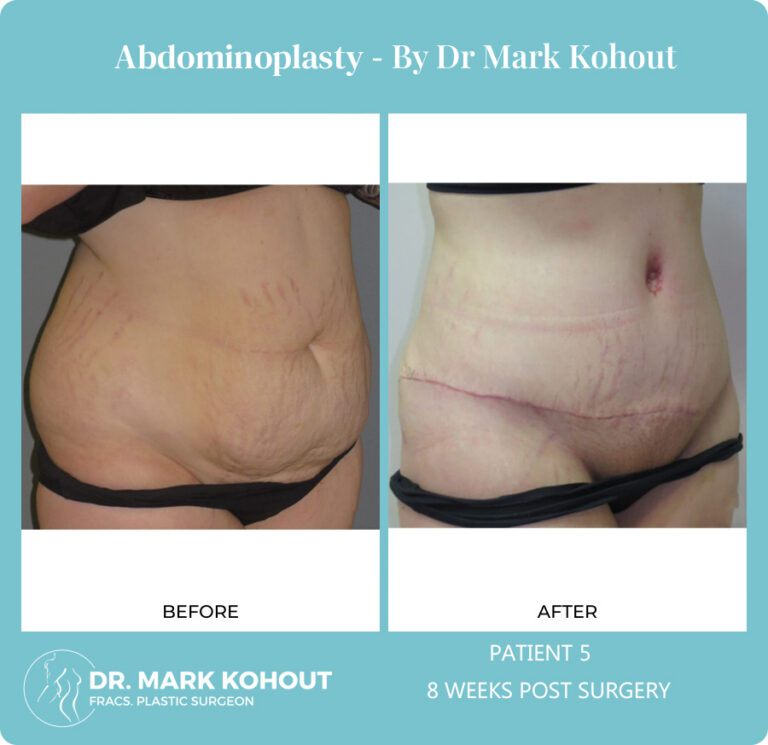
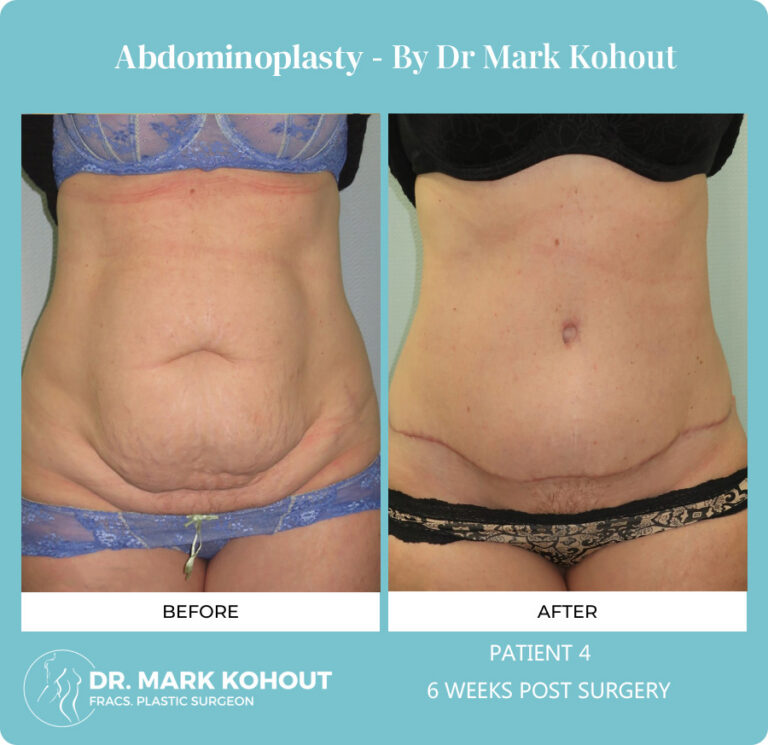
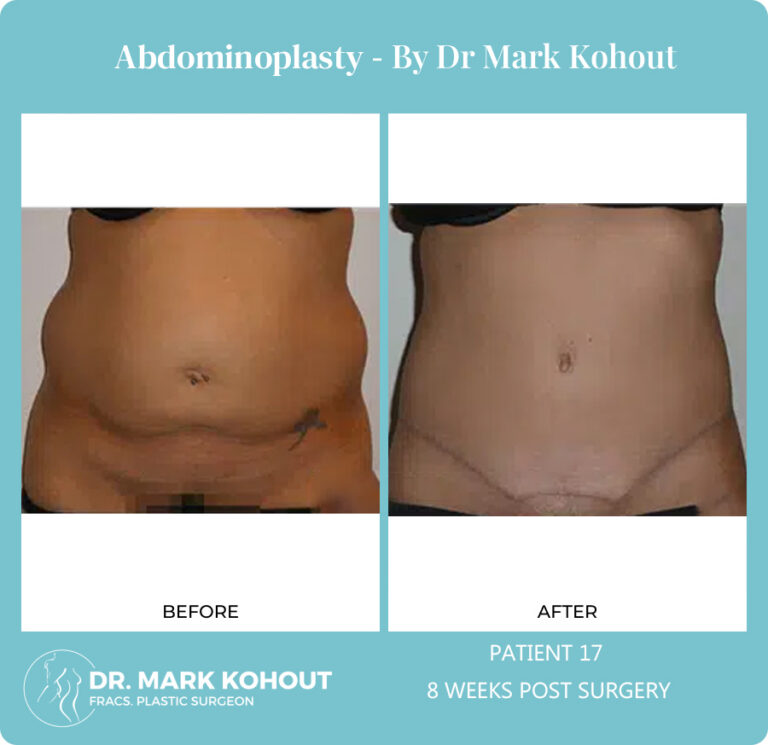
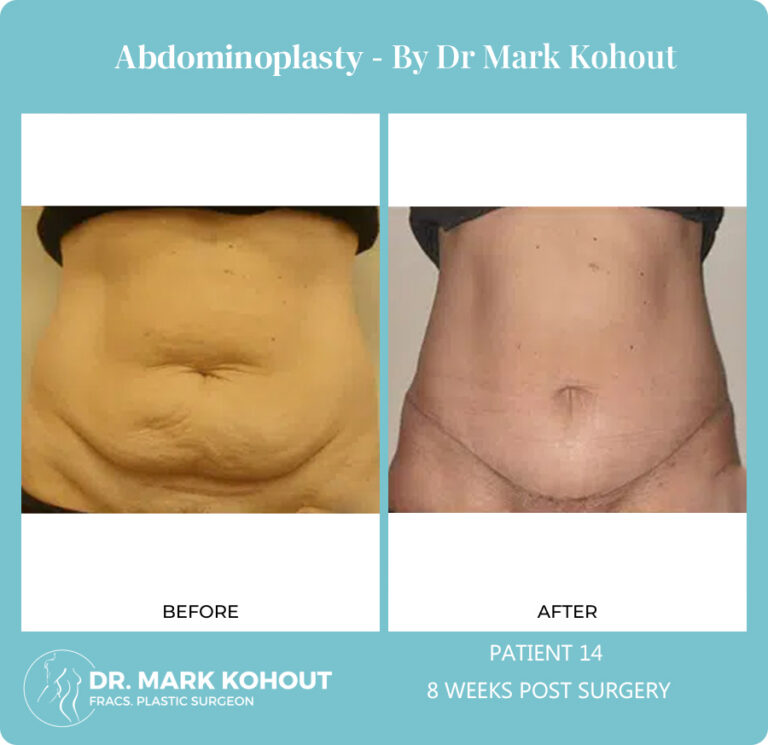
Before and After Photos of Abdominoplasty Surgery

View examples of individual abdominoplasty patient outcomes.

Disclaimer

Individual results vary due to personal health factors and genetics, and all surgical procedures carry inherent risks that should be discussed with a qualified health professional.

Before and after images may be available during consultation where appropriate. Images should be viewed as examples of individual patient cases, not as a prediction of your own outcome. These should not create an expectation that the same result can be achieved for another patient. Outcomes vary depending on anatomy, healing and surgical plan.

Who Performs My Abdominoplasty Surgery?

Abdominoplasty in Sydney is performed by Dr Mark Kohout, a Specialist Plastic Surgeon in Sydney. His professional background, qualifications and registration details should be available for patients to review before consultation.

When choosing a practitioner, patients should confirm qualifications, registration, hospital accreditation, consultation process, aftercare arrangements and how risks are discussed. This supports informed decision-making.

Key points:

  • Check specialist registration.
  • Review qualifications and professional background.
  • Ask about hospital operating arrangements.
  • Ask who provides follow-up care.

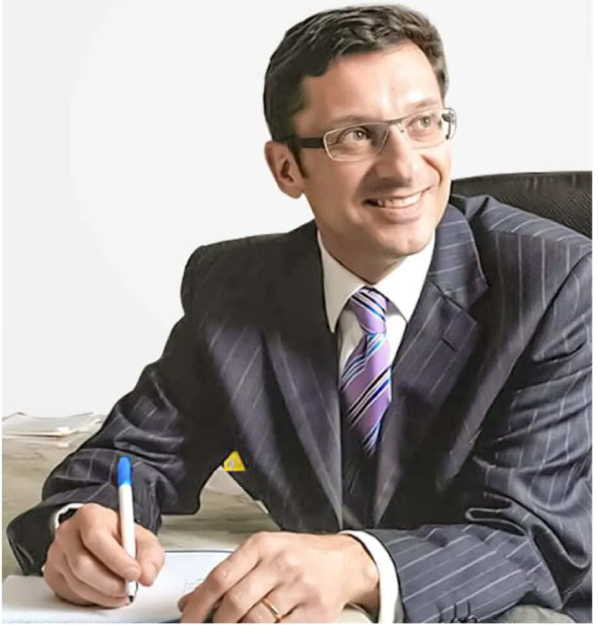
Dr Mark Kohout
Dr Mark Kohout Portrait Image

Abdominoplasty FAQs

Can previous abdominal surgery affect my abdominoplasty plan?Yes. Previous surgery, including caesarean section, appendicectomy or hernia repair, may affect scar placement, tissue movement and surgical planning. This is assessed during consultation.
Can abdominoplasty affect sensation in my abdomen?Yes. Temporary or permanent changes in skin sensation can occur after abdominoplasty. Numbness, tingling or altered sensitivity may affect parts of the abdomen.
Can abdominoplasty be considered if I have a small hernia?A hernia may need separate assessment and, in some cases, coordination with another specialist. Whether hernia repair can be performed at the same time depends on the type of hernia and individual clinical factors.
Will abdominoplasty change the position of my belly button?The umbilicus may need to be repositioned during some types of abdominoplasty. The need for this depends on the amount of excess skin removed and the surgical plan.
Can abdominoplasty affect how I sleep during recovery?Yes. Patients are often advised to sleep in a position that reduces tension on the abdominal area during early recovery. Specific instructions are provided after surgery.
Can abdominoplasty affect posture while I am healing?Some patients may walk slightly bent forward in the early recovery period because of tightness in the abdominal area. This usually changes gradually as healing progresses.
Can abdominoplasty be considered after bariatric surgery?Yes, selected patients may consider abdominoplasty after bariatric surgery once weight is stable and nutritional status is suitable. Medical history and any ongoing health issues need to be reviewed carefully.
Can abdominoplasty affect stretch marks near the lower abdomen?Some stretch marks may be removed if they are located on skin that is removed during surgery. Stretch marks outside the removed skin area usually remain.
Will I need help at home after abdominoplasty?Many patients need support with daily tasks during the early recovery period, especially if they have children, pets or work duties at home. The level of support needed varies between patients.
Can abdominoplasty be revised later if needed?Revision surgery may be considered in selected cases, but it depends on healing, scar tissue, anatomy and the concern being addressed. Further surgery also carries risks and requires separate assessment.

How Do I Book an Abdominoplasty Consultation?

A consultation can be arranged to discuss whether abdominoplasty may be appropriate for you. During the appointment, Dr Kohout can assess your anatomy, medical history, treatment goals, possible risks, recovery considerations and alternative options.

The purpose of consultation is not only to decide whether surgery can be performed. It is also to help you understand whether the procedure aligns with your circumstances, what recovery involves, what limitations apply and what costs may be involved.

Key points:

  • Consultation is required before suitability can be assessed.
  • Your medical history and anatomy will be reviewed.
  • Risks, recovery and alternatives should be discussed.
  • You should have time to consider your decision.
Explore Factors to Consider Before Cosmetic Surgery

Welcome to the Practice of
Dr. Mark Kohout

With over 25 years of experience and Harvard training, Dr. Mark Kohout offers experienced plastic and reconstructive surgery at his Sydney and Orange clinics. His patient-first approach focuses on delivering safe, natural results tailored to your unique goals.

What's Next?

Whether you are ready for a professional evaluation or just have a quick question, we’ve made it easy to connect with our team. Choose the option that best fits your needs below.

Book your Consultation

Take the first step toward your goals by filling out the brief form below. This information helps us understand your specific needs so we can make the most of our time together during your session. Once you submit your details, a member of our team will review your request and reach out shortly to confirm your appointment.

Patient Photo Assessment

Sending photos for a patient photo assessment can help you and your plastic surgeon prepare for your consultation. By reviewing clear, accurate photos, Dr Kohout can provide preliminary patient photo assessment like insights, assess your needs, and determine the right approach for your procedure.

Tips for Uploading Photos

ASK A FRIEND

Friend takes photo

GOOD LIGHTING

Plain wall, bright light

ALL ANGLES

Front / sides/ 45°

CLEAR & SHARP

No portrait mode

SEND ORIGINALS

No edits or compression

Dr. Mark Kohout Plastic Surgery in Sydney & Orange

Experienced Plastic Surgeon

Dr. Mark Kohout

A qualified plastic surgeon who operates with care and integrity, based in central Sydney with over 20 years of experience in the cosmetic field. His extensive training and experience assures patients they are in highly trained surgical hands. Dr. Kohout is a dedicated, friendly professional who is committed to providing the high quality care, support and results, alongside his compassionate team.

Dr Mark Kohout (MED0001133000)
Specialist Plastic Surgeon
Specialist registration in Surgery – Plastic Surgery

25

Years of Experience

Years of Delivering Exceptional Cosmetic Care.

10000+

Surgical Procedures

Procedures performed by our qualified surgeons.

15+

Available Treatments

Cosmetic treatment options tailored to your needs.

Our Trusted

Accreditations

fracs

Dr Mark Kohout is a qualified plastic surgeon based in central Sydney, with over 20 years of experience in the field of cosmetic and reconstructive surgery. He draws on extensive surgical training and clinical experience to tailor care to the individual needs and goals of each patient.

Dr Kohout is known for his thoughtful, patient-centred approach, guiding individuals through each stage of their surgical journey — from initial consultation to post-operative care. Working alongside a compassionate and professional team, he is committed to providing high standards of care in a supportive and respectful environment.

Locations

Opening Hours

Monday - Friday

8:30AM - 05:00PM

Saturday - Sunday

Closed

Disclaimer: Dr Mark Kohout (MED0001133000) a Registered Medical Practitioner, Specialist Plastic Surgeon. All surgical or invasive procedures carry risks and complications. We recommend seeking a second opinion from an appropriately qualified medical practitioner before proceeding with any surgery. Results depend on individual patient circumstances and can vary significantly. Results may also be impacted by a variety of factors including your lifestyle, weight, nutritional intake and overall health. Consult your Specialist Plastic Surgeon for details. This information is general in nature and is not intended to be medical advice nor does it constitute a doctor-patient relationship. Surgery risks and complications will be covered in detail during a consultation with your Surgeon. We recommend seeking a second opinion from an appropriately qualified medical practitioner before proceeding with surgery.

©2024  All Rights Reserved

This website contains imagery which is only suitable for audiences 18+. All surgery contains risks, read more here.

Close Welcome Bar

Get Your Buttock Lift & Implants Guide

Get Your Facial Aesthetic

Get Your Breast Implant Removal

Get Your Female Genital Surgery Guide

Get Your Excess Skin Guide

Get Your Gynaecomastia Guide

Get Your Liposuction Guide

Get Your Abdominoplasty Guide

Get Your Cost of Surgery Guide

Get Your Breast Implant Replace Guide

Get Your Breast Reduction Guide

Get Your Breast Augmentation Guide

Make an Enquiry