Labiaplasty Sydney

With Dr. Mark Kohout

Labiaplasty

Dr Mark Kohout is a Specialist Plastic Surgeon with specialist registration in Surgery – Plastic Surgery, more than 25 years of practice and medical registration number MED0001133000. Labiaplasty is surgery that reduces or reshapes selected labial tissue, most commonly the labia minora, and may be considered when tissue contributes to persistent rubbing, pulling, pinching or other clearly identified concerns.

There is a wide range of normal vulval anatomy, including differences in labial length, thickness, colour and symmetry. Before surgery is considered, symptoms such as itching, burning, dryness, discharge or pelvic pain may require assessment for other causes including infection, dermatitis, hormonal change, pelvic-floor dysfunction or another gynaecological condition.

Labiaplasty produces permanent scars and may result in temporary or persistent changes in sensation, asymmetry, wound problems or the need for further treatment. An in-person consultation is required to assess anatomy and symptoms, discuss alternatives and no surgery, explain recovery and risks, and complete an informed-consent process before any operation is planned.

Individual results vary due to personal health factors and genetics, and all surgical procedures carry inherent risks that should be discussed with a qualified health professional.

What Is Labiaplasty, and What Does It Actually Do?

Labiaplasty changes the size or shape of selected labial tissue, most commonly the labia minora surrounding the vaginal opening. The operation is directed at external tissue and does not alter the vagina itself unless another genital procedure has been separately assessed, discussed and consented to.

  • Labia minora: Selected inner labial tissue may be reduced or reshaped where it contributes to symptoms or marked asymmetry.
  • Labia majora: Outer labial tissue may be assessed separately where there is a distinct concern in that area.
  • Asymmetry: Different amounts of tissue may be treated on each side when there is a substantial anatomical difference.
  • Scar placement: Incisions vary according to the technique and may follow the free edge or sit within the labial tissue.
  • Adjacent structures: The clitoral hood and surrounding tissues are anatomically separate and should only be treated where specifically indicated.

The operation can change tissue prominence or contour, but it cannot create exact symmetry or guarantee unchanged sensation. A physical examination is needed to determine whether the identified concern is likely to respond to labiaplasty.

What Is Considered Normal Labial Variation?

Labia vary considerably between individuals, and there is no single medically correct size, shape, colour or degree of symmetry. Prominence or difference between the two sides is common and does not by itself indicate disease or a need for surgery.

  • Length: Labia minora can project beyond the labia majora by different amounts.
  • Thickness: Tissue may be thin, folded, broad or uneven between sides.
  • Pigmentation: Labial colour frequently differs from surrounding skin and may also differ from side to side.
  • Symmetry: One labium is commonly longer, wider or positioned differently from the other.
  • Life-stage changes: Puberty, pregnancy, childbirth and hormonal changes can alter tissue appearance and sensitivity.

Normal anatomical variation should be explained clearly during consultation so that decisions are not based on the assumption that a particular appearance is medically required. Where the anatomy is within a normal range, the decision to consider surgery still requires careful discussion of symptoms, expectations, risks and alternatives.

What Functional Symptoms Can Be Associated With Labial Tissue?

Some patients report physical symptoms where labial tissue repeatedly rubs, folds, pulls or becomes trapped during particular activities. Dr Mark Kohout assesses these symptoms carefully because similar discomfort can also arise from skin, hormonal, pelvic-floor or gynaecological conditions.

  • Rubbing: Tissue may repeatedly rub against underwear, fitted clothing or adjacent skin.
  • Exercise-related pulling: Cycling, running, gym activity or prolonged movement may cause pulling or friction.
  • Pinching during intercourse: Labial tissue may occasionally be caught or compressed during sexual activity.
  • Tissue folding: Labial tissue may fold inward or become caught during movement.
  • Recurrent mechanical irritation: Moisture and repeated friction can contribute to local discomfort in selected patients.

Symptoms such as persistent itching, burning, discharge, diffuse pain or dryness are not specific to labial prominence and may require a different form of care. A GP, gynaecologist, dermatologist or pelvic-floor practitioner may be involved where the source of the symptoms is uncertain.

Functional Symptoms for Labial Tissue by Dr Mark Kohout

What Should I Know About Labiaplasty at a Glance?

Dr Mark Kohout performs Labiaplasty as a day procedure in an accredited surgical facility, with the anaesthetic and technique selected according to the anatomy and surgical plan. Early healing commonly involves swelling, bruising and tenderness, while scar and sensory changes can continue to settle for several months.

  • Treatment area: Most commonly the labia minora, with other tissue treated only when separately indicated
  • Anaesthesia: Local anaesthesia with sedation or general anaesthesia may be used
  • Stitches: Fine absorbable sutures are commonly used
  • Early recovery: Light walking usually resumes before exercise or other friction-producing activity
  • Longer-term healing: Swelling, scar firmness and altered sensation may continue after the wound has closed

Sexual activity, tampon use and strenuous exercise are generally restricted during early healing and resumed only after appropriate review. Individual recovery depends on the technique used, wound healing, activity level and medical risk factors.

What Are the Potential Benefits of Labiaplasty?

Labiaplasty may provide anatomical or symptom-related changes for appropriately selected adults when the concern is linked to the labial tissue itself. The amount of change varies, and surgery cannot guarantee relief from every symptom.

  • Reduced rubbing: Removing selected tissue may decrease friction against clothing or adjacent skin.
  • Reduced pulling: Some patients may experience less tissue traction during cycling, running or other movement.
  • Reduced pinching: Surgery may reduce pinching during intercourse when labial tissue has been identified as the source.
  • Changes in asymmetry: One or both sides may be reshaped where a substantial difference is present.
  • Changes after childbirth: Selected stretched, scarred or irregular labial tissue may be addressed where appropriate.

These possible effects must be considered alongside the risks of wound separation, scarring, altered sensation, persistent pain and revision surgery. Symptoms caused by dermatitis, infection, hormonal factors or pelvic-floor dysfunction are unlikely to be resolved simply by removing labial tissue.

Do I Need Labiaplasty or Another Type of Treatment?

Labiaplasty is only one possible approach to genital discomfort, and surgery is not appropriate when the symptoms arise from another condition. Identifying the source of rubbing, pain, itching or irritation is therefore an important part of assessment.

  • Labiaplasty: May be considered when selected labial tissue is clearly associated with rubbing, pulling or pinching.
  • Skin or infection treatment: Dermatitis, fungal or bacterial infection and other vulval conditions may require medical management.
  • Pelvic-floor care: Pelvic-floor physiotherapy or other treatment may be appropriate for muscular pain or tension.
  • Hormonal or vulval treatment: Dryness, fragility or sensitivity associated with hormonal change may need medical care.
  • Conservative management: Clothing modification, lubricants, protective measures, skin care or no active treatment may be appropriate.

Perineal scars or other childbirth-related concerns may require a different procedure rather than labiaplasty. When the diagnosis is uncertain, Dr Mark Kohout may recommend assessment by another health practitioner before surgery is considered.

What Happens During a Labiaplasty Consultation?

A labiaplasty consultation with Dr Mark Kohout is a confidential assessment of symptoms, anatomy, general health and the reasons surgery is being considered. It also provides an opportunity to discuss normal variation, alternative explanations for symptoms, surgical techniques, recovery and consent.

  • Symptom assessment: Rubbing, pulling, pinching, irritation, pain and activity-related triggers are reviewed.
  • Medical and gynaecological history: Previous operations, pregnancy, childbirth, infection, skin disease, pelvic pain and healing history are considered.
  • Medication and lifestyle review: Prescription medicines, supplements, smoking, vaping and other nicotine exposure should be disclosed.
  • Physical examination: Labial tissue, symmetry, skin condition, scars and surrounding anatomy are assessed.
  • Treatment and consent discussion: Technique, scars, altered sensation, wound separation, revision, alternatives and no surgery are reviewed.

Sensitive clinical photographs may be taken only with specific consent and will be handled according to privacy requirements. Further assessment by a GP, gynaecologist, dermatologist or pelvic-floor practitioner may be recommended if another cause of symptoms is suspected.

What Are the Different Types of Labiaplasty?

The two main techniques commonly discussed for labia minora reduction are trim and wedge labiaplasty, although the appropriate method depends on anatomy and the agreed treatment plan. Each technique removes tissue differently and creates a different scar pattern, with specific advantages and limitations.

  • Trim labiaplasty: Removes selected tissue along the free edge of the labia minora and creates a scar along that border.
  • Wedge labiaplasty: Removes a wedge-shaped segment while preserving more of the original free edge.
  • Asymmetry correction: Different amounts or patterns of tissue may be treated on each side when required.
  • Selected labia majora treatment: Outer labial tissue may be addressed separately where there is a distinct indication.
  • Additional procedures: Treatment of the clitoral hood or another adjacent structure should only be undertaken when separately assessed and consented to.

Trim and wedge techniques have different considerations involving scar location, tissue-edge preservation, wound tension and the possibility of wound separation. No technique is appropriate for every patient, and the choice should follow examination rather than being selected solely from online descriptions or photographs.

Am I a Suitable Candidate for Labiaplasty?

Suitability depends on symptoms, anatomy, general health, expectations and the ability to manage postoperative restrictions. Labial prominence or asymmetry alone does not mean that surgery is medically necessary or appropriate.

  • Persistent tissue-related symptoms: Rubbing, pulling or pinching has been clearly linked to the labial tissue.
  • Stable anatomy: Tissue development is complete and there has not been a recent pregnancy or childbirth-related change.
  • Suitable health: Medical and anaesthetic risks are considered acceptable.
  • No active vulval condition: Infection, dermatitis, ulceration or another untreated condition is absent.
  • Realistic expectations: The patient accepts permanent scars, possible residual asymmetry and the risk of altered sensation.

A suitable patient should also be able to follow wound-care, hygiene, exercise and sexual-activity restrictions during recovery. Final candidacy can only be determined after an in-person examination by Dr Mark Kohout and any recommended additional medical assessment.

A Suitable Candidate for Labiaplasty by Dr Mark Kohout

Who May Not Be Suitable for Labiaplasty?

Some patients may be advised to delay surgery or pursue another form of treatment when the cause of symptoms is uncertain or surgical risk is increased. In some circumstances, suitability may change after another condition is treated or a relevant risk factor is addressed.

  • Active infection or skin disease: Treatment is generally required before elective surgery.
  • Unexplained genital or pelvic pain: Further gynaecological, dermatological or pelvic-floor assessment may be appropriate.
  • Pregnancy or recent childbirth: Tissue changes should be allowed to stabilise before elective surgery is considered.
  • Current nicotine use: Smoking, vaping and nicotine can impair blood supply and wound healing.
  • Significant medical or healing risk: Poorly controlled diabetes, bleeding disorders or inability to manage postoperative care may affect suitability.

Immediate pregnancy plans, expectations that surgery cannot reasonably meet or unresolved concerns about normal anatomy may also influence whether surgery should proceed. Younger patients require particular caution because anatomy may still be developing and further specialist assessment may be appropriate.

How Is Labiaplasty Performed?

Labiaplasty is performed according to the amount and location of tissue being treated, the selected technique and the patient’s anatomy. The operation aims to reduce or reshape selected tissue while preserving blood supply, tissue viability and important sensory structures.

  • Preoperative markings: The planned tissue removal and incision pattern are marked before anaesthesia by Dr Mark Kohout.
  • Anaesthesia: Local anaesthesia with sedation or general anaesthesia may be used depending on the procedure and patient factors.
  • Tissue treatment: A trim or wedge technique may be used where appropriate, with different scar patterns and tissue-preservation considerations.
  • Tension control: The remaining tissue is positioned and closed with attention to avoiding excessive strain on the wound edges.
  • Closure: Fine absorbable sutures are commonly used, followed by a light dressing or pad.

Trim labiaplasty removes selected tissue along the free edge, while wedge labiaplasty removes a segment from within the labium and preserves more of the original edge. Exact symmetry and unchanged sensation cannot be guaranteed even when healing progresses as expected.

Before and After Photos of Labiaplasty Surgery

See the difference it has made for our clients.

Disclaimer

Individual results vary due to personal health factors and genetics, and all surgical procedures carry inherent risks that should be discussed with a qualified health professional.

What Should I Know About Labiaplasty Before and After Photos?

Before-and-after photographs may help explain scar placement, tissue reduction and the range of anatomical changes that can occur after labiaplasty. Because the images involve sensitive anatomy, they require specific consent and may be reviewed privately rather than displayed publicly.

  • Consent: Clinical images should only be taken, stored or displayed with specific patient permission.
  • Privacy: Sensitive photographs should be handled through secure clinical processes.
  • Timing: Early postoperative photographs may still show substantial swelling, bruising or temporary asymmetry.
  • Variation: Labial colour, thickness, length and shape differ considerably between individuals.
  • Limitations: Another patient’s result cannot predict an individual patient’s healing or final tissue position.

Photographs should be used as educational references rather than as a template for a particular appearance. Dr Mark Kohout can explain which features shown in clinical images may or may not be relevant to an individual patient’s anatomy.

How Do I Request a Confidential Labiaplasty Consultation?

A confidential consultation provides an opportunity to discuss symptoms, anatomy and treatment options without an obligation to proceed with surgery. The initial enquiry should collect only enough information for the practice to arrange contact and an appropriate appointment.

  • Full name
  • Email address and phone number
  • Preferred consultation location
  • General reason for the enquiry
  • Whether a GP, gynaecologist or other practitioner is currently involved

Detailed intimate medical information or genital photographs should not be submitted through an unsecured general enquiry form. Relevant clinical information can instead be provided through the secure process arranged by the practice.

What Should I Expect During Labiaplasty Recovery?

Recovery after labiaplasty usually involves swelling, bruising, tenderness and temporary discomfort with sitting, walking or using the toilet. Wound care and activity restrictions are particularly important because friction, moisture and movement can place stress on healing tissue.

  • Swelling and bruising: These are usually most noticeable during the early postoperative period.
  • Sutures: Fine absorbable stitches may remain present for several weeks while the wound strengthens.
  • Hygiene: Patients should follow specific instructions for cleaning and drying the area after using the toilet.
  • Activity: Light walking is generally encouraged while strenuous exercise and friction-producing activity remain restricted.
  • Sexual activity: Intercourse, tampon use and similar activities should be avoided until sufficient healing has occurred and clearance is provided.

Discomfort should generally become easier to manage as the tissues heal, although swelling and sensitivity may continue for several weeks. Increasing pain, spreading redness, fever, discharge or marked wound separation should be reported promptly.

How Much Swelling Is Normal After Labiaplasty?

Swelling is expected after labiaplasty and may initially make the tissues appear larger, uneven or firmer than expected. It often changes considerably during the first several days and then reduces gradually over the following weeks.

  • Early swelling: Swelling may be most pronounced during the first few days after surgery.
  • Side-to-side difference: One labium may temporarily swell more than the other.
  • Bruising and firmness: Local bruising or firmness can accompany normal postoperative swelling.
  • Gradual reduction: Residual swelling may continue for several weeks after the wound has closed.
  • Final settling: Scar softening and tissue position may continue changing for several months.

Early asymmetry caused by swelling does not necessarily represent the final result. Rapidly increasing swelling, severe one-sided pain, expanding bruising, bleeding, fever or wound discharge requires prompt assessment by Dr Mark Kohout.

How Long Does Labiaplasty Recovery Take?

Labiaplasty recovery progresses in stages, and external wound closure occurs before swelling, scars and sensation have fully stabilised. The exact timeline varies according to the technique used, wound healing, activity demands and individual risk factors.

  • First 24–72 hours: Swelling, bruising, tenderness, hygiene care and supported movement
  • First week: Limited sitting, walking and other activity while wound discomfort is more noticeable
  • Weeks 1–2: Gradual return to light daily tasks and selected desk-based work
  • Weeks 3–6: Progressive reduction in swelling and gradual increase in activity
  • Weeks 6–8 and beyond: Possible return to exercise, tampon use and sexual activity after clinical review, with scar and sensory settling continuing for several months

Driving may resume when sitting and movement are comfortable and medication no longer affects alertness. Return to work depends on the physical demands of the role and the amount of swelling or discomfort present.

Recovery varies. Dr Mark Kohout will provide advice based on the procedure performed and individual risk factors.

How Much Does Labiaplasty Cost in Sydney?

The cost of labiaplasty in Sydney varies according to the surgical technique, anaesthesia, facility charges and whether another separately indicated procedure is required. A personalised estimate can only be prepared after consultation and examination.

  • Surgeon’s fee
  • Anaesthetist’s fee
  • Hospital or day-surgery charges
  • Theatre time and required equipment
  • Preoperative testing, dressings, medications and follow-up care

Additional costs may apply if gynaecology, dermatology, pelvic-floor or other specialist assessment is required. The clinic should provide an itemised estimate before surgery is scheduled.

Medicare or private health insurance may contribute in selected cases where current medical criteria are met. Eligibility, item numbers and insurer requirements can change, so any possible contribution should be confirmed directly with Medicare and the relevant health fund.

lower body

How Should I Prepare for Labiaplasty?

Preparation for labiaplasty includes treating active medical concerns, reviewing medications and arranging practical support for the early recovery period. These steps help identify factors that may affect wound healing and reduce avoidable disruption after surgery.

  • Medical review: Obtain a GP referral where appropriate and bring relevant gynaecology, dermatology or pelvic-health records.
  • Treat active conditions: Infection, dermatitis or another vulval condition should be addressed before elective surgery.
  • Nicotine cessation: Smoking, vaping and nicotine should be stopped within the timeframe provided by the surgical team.
  • Medication review: Prescription medicines and supplements should be discussed before surgery, particularly those that may affect bleeding.
  • Home preparation: Arrange transport, loose clothing, suitable pads, hygiene supplies and help with daily tasks if required.

Patients should also plan time away from physically demanding work and avoid scheduling strenuous exercise during the early recovery period. The proposed technique, permanent scars, sensation risks and activity restrictions should be understood before consent is provided.

What Alternatives to Labiaplasty Should I Consider?

Labiaplasty is not the only option for vulval discomfort or concern about labial tissue. The most appropriate alternative depends on whether symptoms are caused by friction, skin disease, hormonal change, pelvic-floor dysfunction, infection or another condition.

  • No treatment: Observation may be appropriate where symptoms are limited and anatomy falls within normal variation.
  • Clothing or activity modification: Different underwear, clothing or activity adjustments may reduce friction.
  • Skin and hormonal treatment: Dermatitis, dryness or irritation may respond to appropriate medical treatment.
  • Pelvic-floor physiotherapy: This may be appropriate where pain or discomfort is related to muscle tension.
  • Gynaecological or dermatological assessment: Further evaluation may identify a condition that requires a different treatment pathway.

Scar treatment or perineal surgery may be more appropriate where symptoms relate to childbirth injury rather than the labia themselves. Surgery should only be considered when the anatomical target has been clearly identified and the likely limitations are understood.

liposuction

What Are the Risks and Complications of Labiaplasty?

Labiaplasty carries general surgical risks as well as complications related to the wound location, tissue tension and sensory anatomy. The likelihood of complications is influenced by health, nicotine exposure, diabetes, infection, activity and the technique used.

  • Wound complications: Bleeding, haematoma, infection, delayed healing and wound separation can occur.
  • Scar changes: Scars may become firm, raised, irregular or sensitive.
  • Sensation changes: Numbness, increased sensitivity or reduced sensation may be temporary or persistent.
  • Shape changes: Asymmetry, contour irregularity, under-resection or over-resection may occur.
  • Functional symptoms: Persistent pain, discomfort during intercourse or a change in urinary stream may develop.

Wound separation deserves particular attention with wedge techniques because the closure crosses the labial tissue and can be affected by swelling, tension or friction. Revision surgery may be considered where a persistent anatomical or functional problem remains after healing has stabilised.

No surgical plan can remove every risk or predict exactly how tissue will heal. Dr Mark Kohout will discuss individual risk factors, possible risk-reduction measures and what may be required if a complication develops.

What Should I Understand Before Consenting to Labiaplasty?

Informed consent involves understanding what labiaplasty can and cannot change, as well as the risks, alternatives and recovery requirements. The decision should be voluntary and made after sufficient time to consider the information provided.

  • Normal variation: Prominent or asymmetric labia can still fall within normal anatomy.
  • Permanent changes: Surgery produces permanent scars and removes tissue that cannot simply be replaced.
  • Functional uncertainty: Symptoms may persist if they arise from a cause other than the labial tissue.
  • Possible complications: Wound separation, pain, sensation change, asymmetry and revision may occur.
  • Alternatives: Non-operative care and no surgery should be discussed alongside operative options.

Consent should also cover photography, privacy, recovery restrictions and the possibility that additional medical assessment may be required. Patients should have the opportunity to ask further questions and seek another medical opinion before deciding whether to proceed.

Why Might Patients Consider Labiaplasty With Dr Mark Kohout?

Dr Mark Kohout is a Specialist Plastic Surgeon with specialist registration in Surgery – Plastic Surgery and medical registration number MED0001133000. His role includes confidential assessment, procedure planning, performance of surgery and structured postoperative review.

  • More than 25 years of practice in plastic and reconstructive surgery
  • Individual anatomical and symptom assessment
  • Discussion of normal labial variation
  • Explanation of surgical, non-operative and no-treatment options
  • Surgery in accredited facilities, with consultations available in Sydney and Orange, NSW

Care planning may involve a GP, gynaecologist, dermatologist or pelvic-floor practitioner where appropriate. These qualifications and clinical processes do not guarantee a particular anatomical, functional or recovery outcome.

How Do I Schedule a Labiaplasty Consultation?

The first step is to arrange a confidential consultation for discussion of symptoms and an in-person examination. Relevant records from a GP or another practitioner may help clarify previous diagnoses, treatment and current concerns.

  • Contact the Sydney clinic or submit the confidential enquiry form.
  • Obtain a GP referral where appropriate.
  • Bring relevant gynaecology, dermatology or pelvic-health records.
  • Attend an in-person consultation and examination.
  • Complete further assessment where another medical cause is suspected.

The proposed technique, scars, recovery, alternatives, risks and likely costs should be reviewed before surgery is scheduled. Patients should allow time to consider the information and may seek another opinion from an appropriately qualified medical practitioner.

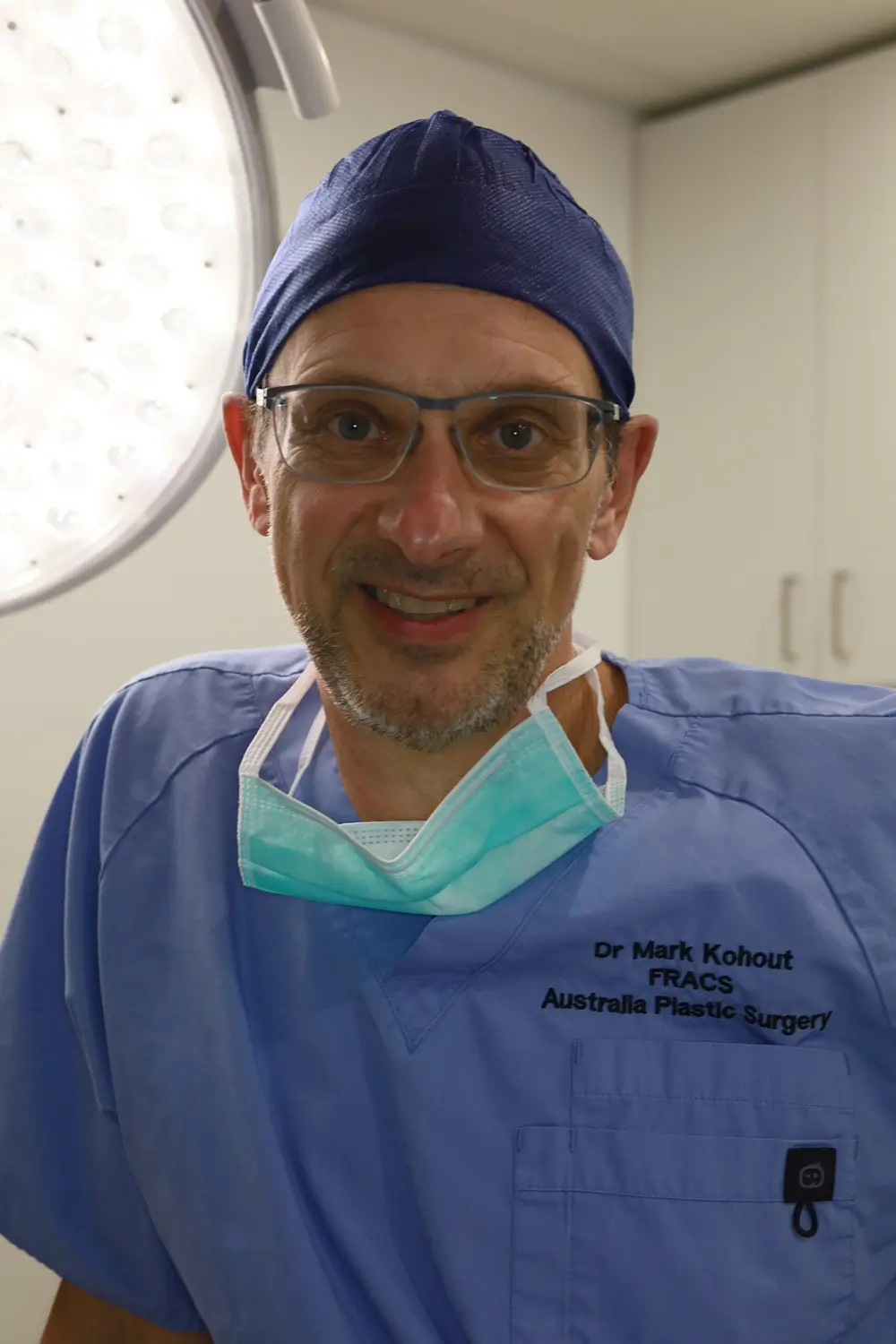
Dr Mark Kohout
Dr Mark Kohout Portrait Image

FAQs About Labiaplasty

Can labiaplasty change clitoral sensation even when the clitoral hood is not being operated on?

Labiaplasty usually treats the labia rather than the clitoris, but swelling, nearby dissection and individual nerve anatomy can temporarily alter sensation in the surrounding area. Persistent sensory change is possible, so any treatment close to the clitoral hood should be separately assessed, planned and consented to.

Why can one side remain larger than the other after labiaplasty even when both sides are treated during the same operation?

The two sides may differ before surgery and can also swell, scar and heal differently afterwards. Minor asymmetry is common in normal vulval anatomy, while a persistent or symptomatic difference can be reassessed after healing has stabilised.

How can I tell whether pain during intercourse is caused by labial tissue or by another gynaecological or pelvic-floor condition?

Labial tissue may contribute when pain is consistently associated with visible pulling, folding or pinching, but intercourse-related pain has many other possible causes. Pelvic-floor tension, dryness, vulval skin disease, infection and other gynaecological conditions may require separate assessment before surgery is considered.

Why does wound separation occur after wedge labiaplasty, and does every wound separation require another operation?

Wedge labiaplasty creates a closure across the labial tissue, so swelling, movement, tension and friction can place stress on the healing wound; published studies identify dehiscence as an important technique-related complication. Small areas may sometimes heal with wound care, while larger or persistent separation may require later revision depending on the anatomy and symptoms.

Can labiaplasty change the direction of my urinary stream or cause temporary spraying after surgery?

Postoperative swelling can temporarily alter the way urine passes across the surrounding tissues and may cause spraying during early recovery. Persistent urinary-stream changes are less typical and should be examined to determine whether swelling, scar position or another urinary or anatomical issue is responsible.

How long can numbness, tingling or increased sensitivity continue after labiaplasty before it should be reassessed?

Temporary sensory changes can persist for weeks or months while swelling reduces and small sensory nerves recover. Persistent numbness, hypersensitivity, increasing pain or a new change after initial improvement should be reviewed rather than assumed to be part of routine healing.

Can labiaplasty be revised if too much labial tissue was removed during a previous operation?

Revision may be possible, but excessive previous tissue removal can leave limited local tissue and make reconstruction more complex. The available options depend on remaining anatomy, scar position, blood supply and symptoms, and removed tissue cannot always be fully recreated.

How might pregnancy or vaginal childbirth affect a previous labiaplasty result several years after surgery?

Labiaplasty does not usually prevent pregnancy or vaginal childbirth because it treats external labial tissue rather than the birth canal. Pregnancy, hormonal change and delivery can nevertheless stretch or alter the tissues and may change symmetry, scar position or tissue prominence over time.

Why might I need to see a gynaecologist, dermatologist or pelvic-floor physiotherapist before having labiaplasty?

Symptoms such as burning, itching, dryness, discharge, diffuse pain or pain during intercourse may result from conditions unrelated to labial size. Another practitioner may identify infection, skin disease, hormonal change or pelvic-floor dysfunction that should be treated before surgical tissue removal is considered.

How do I know whether swelling after labiaplasty is within the expected recovery range or could indicate a complication?

Swelling commonly increases during the first several days, can be uneven between sides and may continue reducing over several weeks. Rapidly increasing one-sided swelling, expanding bruising, severe pain, active bleeding, fever, discharge or worsening redness requires prompt clinical assessment.

Current research confirms substantial normal variation in labial anatomy and does not establish a single size or shape that defines a medically normal vulva. Evidence on labiaplasty outcomes is largely observational, and recent systematic reviews note limitations in study quality, particularly when assessing sexual function and longer-term outcomes.

Medical References

Take our Plastic Surgery Quiz to find out if you’d be a good candidate and if you are ready for cosmetic surgery.​

Further Reading

Welcome to the Practice of
Dr. Mark Kohout

With over 25 years of experience and Harvard training, Dr. Mark Kohout offers experienced plastic and reconstructive surgery at his Sydney and Orange clinics. His patient-first approach focuses on delivering safe, natural results tailored to your unique goals.

What's Next?

Whether you are ready for a professional evaluation or just have a quick question, we’ve made it easy to connect with our team. Choose the option that best fits your needs below.

Book your Consultation

Take the first step toward your goals by filling out the brief form below. This information helps us understand your specific needs so we can make the most of our time together during your session. Once you submit your details, a member of our team will review your request and reach out shortly to confirm your appointment.

Patient Photo Assessment

Sending photos for a patient photo assessment can help you and your plastic surgeon prepare for your consultation. By reviewing clear, accurate photos, Dr Kohout can provide preliminary patient photo assessment like insights, assess your needs, and determine the right approach for your procedure.

Tips for Uploading Photos

ASK A FRIEND

Friend takes photo

GOOD LIGHTING

Plain wall, bright light

ALL ANGLES

Front / sides/ 45°

CLEAR & SHARP

No portrait mode

SEND ORIGINALS

No edits or compression

Dr. Mark Kohout Plastic Surgery in Sydney & Orange

Experienced Plastic Surgeon

Dr. Mark Kohout

A qualified plastic surgeon who operates with care and integrity, based in central Sydney with over 20 years of experience in the cosmetic field. His extensive training and experience assures patients they are in highly trained surgical hands. Dr. Kohout is a dedicated, friendly professional who is committed to providing the high quality care, support and results, alongside his compassionate team.

Dr Mark Kohout (MED0001133000)
Specialist Plastic Surgeon
Specialist registration in Surgery – Plastic Surgery

25

Years of Experience

Years of Delivering Exceptional Cosmetic Care.

10000+

Surgical Procedures

Procedures performed by our qualified surgeons.

15+

Available Treatments

Cosmetic treatment options tailored to your needs.

Our Trusted

Accreditations

fracs

Dr Mark Kohout is a qualified plastic surgeon based in central Sydney, with over 20 years of experience in the field of cosmetic and reconstructive surgery. He draws on extensive surgical training and clinical experience to tailor care to the individual needs and goals of each patient.

Dr Kohout is known for his thoughtful, patient-centred approach, guiding individuals through each stage of their surgical journey — from initial consultation to post-operative care. Working alongside a compassionate and professional team, he is committed to providing high standards of care in a supportive and respectful environment.

Locations

Opening Hours

Monday - Friday

8:30AM - 05:00PM

Saturday - Sunday

Closed

Disclaimer: Dr Mark Kohout (MED0001133000) a Registered Medical Practitioner, Specialist Plastic Surgeon. All surgical or invasive procedures carry risks and complications. We recommend seeking a second opinion from an appropriately qualified medical practitioner before proceeding with any surgery. Results depend on individual patient circumstances and can vary significantly. Results may also be impacted by a variety of factors including your lifestyle, weight, nutritional intake and overall health. Consult your Specialist Plastic Surgeon for details. This information is general in nature and is not intended to be medical advice nor does it constitute a doctor-patient relationship. Surgery risks and complications will be covered in detail during a consultation with your Surgeon. We recommend seeking a second opinion from an appropriately qualified medical practitioner before proceeding with surgery.

©2024  All Rights Reserved

This website contains imagery which is only suitable for audiences 18+. All surgery contains risks, read more here.

Close Welcome Bar

Get Your Skin Tightening with Renuvion and Bodytite Guide

Get Your Buttock Lift & Implants Guide

Get Your Facial Aesthetic

Get Your Breast Implant Removal

Get Your Female Genital Surgery Guide

Get Your Excess Skin Guide

Get Your Gynaecomastia Guide

Get Your Liposuction Guide

Get Your Abdominoplasty Guide

Get Your Cost of Surgery Guide

Get Your Breast Implant Replace Guide

Get Your Breast Reduction Guide

Get Your Breast Augmentation Guide

Make an Enquiry