
Facelift Sydney

With Dr. Mark Kohout

facelift

Facelift surgery is something some people consider when age-related changes in the face and neck no longer match how they feel, or when non-surgical options are no longer giving the level of change they’re looking for. It focuses on repositioning deeper facial tissues and adjusting the skin envelope, rather than just “tightening” the surface. 

What is a Facelift?

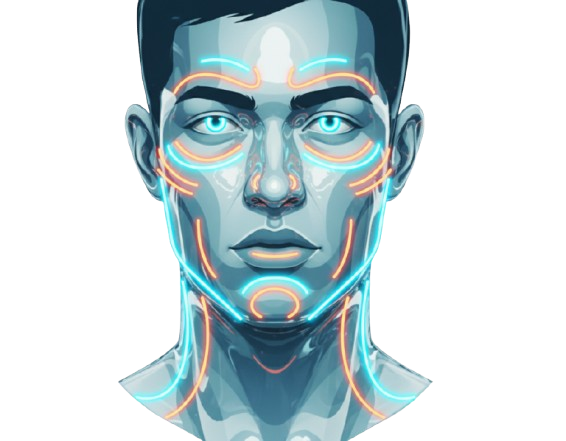
A facelift, medically known as a rhytidectomy, is a facial surgery procedure designed to address visible age-related changes of the mid-face, lower face and neck. These changes can include skin laxity, deepening of folds around the mouth, softening of the jawline and banding or fullness in the neck.

Modern facelift techniques do more than simply remove skin. In most cases, the surgeon:

  • Releases and repositions deeper fibrous and muscular layers (often called the SMAS or fascial layer)
  • Redrapes the overlying skin without excessive tension
  • Removes limited excess skin where required

By working on the support structures under the skin, the aim is to change the contour of the cheeks, jawline and neck in a measured way that fits the individual’s facial structure. Facelift surgery can be combined with other procedures – such as eyelid surgery, brow procedures or fat grafting – when appropriate, but this is planned cautiously to balance operative time, recovery and risk.

Facelift surgery does not change a person’s basic facial identity, bone structure or personality, and it does not stop ageing. It addresses facial tissues at a particular point in time; the face will continue to age afterwards, although often from a different baseline. Results vary between individuals due to differences in skin quality, bone structure, health and healing characteristics.

Who May Benefit

Several broad groups may benefit from a facelift: people with excess skin that contributes to a heavy look, adults with deep creases around the nose and mouth, those with reduced facial definition, and patients in good health looking to address their appearance. In practice, situations often include:

✓ Individuals with heavier lower-face or neck tissue

Over time, gravity and changes in connective tissue can lead to softening along the jawline, with tissue descending into the jowl and upper-neck area. Some people describe feeling that their lower face looks broader or less defined than before, even if their weight is stable. Facelift surgery can be planned to reposition these deeper structures and remove selected excess skin, aiming to support a clearer jawline and a more defined transition from face to neck.

✓ Adults with deep creases around the nose and mouth

Deepening of folds between the nose and mouth (nasolabial folds) and between the mouth and chin (marionette lines) is common with ageing. While superficial treatments can soften the skin surface, when deeper tissues have descended, a surgical lift may be considered to support these structures from below. Facelift surgery may lessen the prominence of some of these folds by repositioning underlying tissue, although it does not remove all lines and is not a treatment for every type of wrinkle.

✓ People noticing reduced facial volume or definition

As fat pads in the mid-face shift and bone resorption occurs over time, some people notice hollowness in the cheeks combined with heaviness lower down. In selected cases, facelift surgery may be combined with techniques such as structural fat transfer to support mid-face volume while also tightening deeper tissues. The combination chosen depends on individual anatomy, goals and general health.

✓ Patients in good general health

Facelift surgery is generally most suitable for people who:

  • Have no uncontrolled heart or lung disease
  • Have well-managed blood pressure and medical conditions
  • Are non-smokers, or are able to stop smoking and avoid nicotine for a period before and after surgery
  • Are able to undergo general anaesthesia, as assessed with the anaesthetist and their GP or specialist

Suitability is assessed individually; there is no fixed age at which a facelift “should” occur, and some patients may be more appropriate candidates than others despite being the same age.

man face

Take our Plastic Surgery Quiz to find out if you’d be a good candidate and if you are ready for cosmetic surgery.​

This plastic surgery quiz is intended as a general reflection tool to help you think about your goals, concerns and expectations. It does not diagnose conditions, determine whether facelift surgery is appropriate for you, or replace a detailed consultation and examination.

Your answers may highlight areas you want to discuss further, such as which facial changes concern you most, or how you feel about surgery in general, but any decision to proceed should only be made after a one-on-one assessment with a suitably qualified practitioner.

Am I a Suitable Candidate?

Four benchmarks are often considered when assessing candidacy for facelift surgery: age, health status, expectations and skin elasticity. In practice, your surgeon will consider a combination of factors.

✓ Age

There is no strict age cut-off for facelift surgery. It is generally considered when:

  • Age-related changes are clearly present (often from the 40s onwards, but sometimes earlier or later)
  • Non-surgical measures (e.g. skin care, injectables) are no longer achieving the level of change you are seeking
  • The facial soft tissues show enough descent that lifting deeper layers is likely to make a meaningful difference

Younger patients may sometimes be offered more limited procedures if only mild changes are present, while older patients may still be suitable if they are in good health.

✓ Health Status

A thorough health assessment helps ensure that anaesthesia and surgery are as safe as reasonably possible. This includes reviewing:

  • Medical conditions such as heart disease, lung disease, diabetes and clotting disorders
  • Previous surgeries and anaesthetic history
  • Medications and supplements, particularly those that affect bleeding or healing
  • Smoking and nicotine use

You may be asked to stop certain medications under supervision, avoid some supplements, and stop smoking for a defined period before and after surgery to help reduce the risk of wound-healing problems, infection or other complications.

✓ Expectations

Realistic expectations are essential. Facelift surgery can:

  • Change the contour of the lower face and neck
  • Support repositioning of deeper tissues such as the SMAS layer
  • Reduce excess skin in selected areas

It cannot:

  • Guarantee a specific appearance or match edited images
  • Completely remove all fine lines or surface irregularities
  • Stop the ageing process

Your surgeon will usually discuss what changes are likely in your situation using diagrams or photographs and will talk through limitations and potential need for future procedures.

✓ Skin Elasticity

Skin quality influences both the surgical plan and the way tissues behave afterwards. People with relatively good elasticity may see more distinct redraping, while those with more sun-damaged or fragile skin may require more conservative tension to reduce risks. During examination, the surgeon will assess:

  • Skin thickness and resilience
  • Degree of laxity in the mid-face, jawline and neck
  • Presence of previous scars or radiotherapy

These factors help determine which facelift technique is most appropriate and how much change is reasonable to expect.

eyes

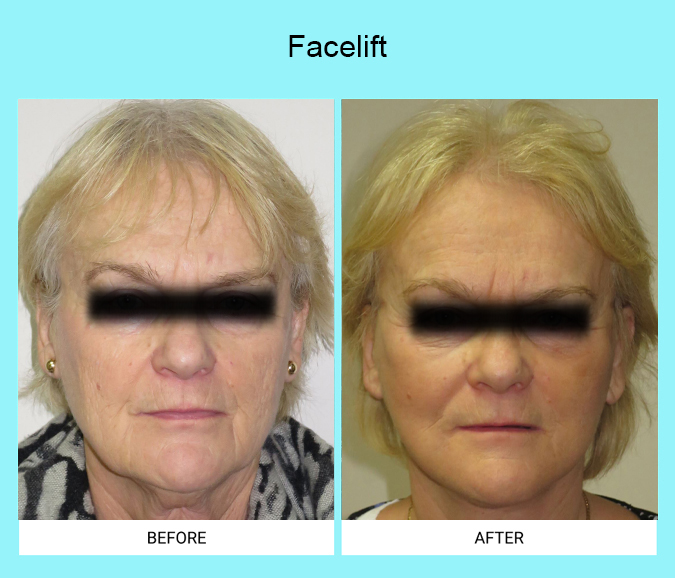
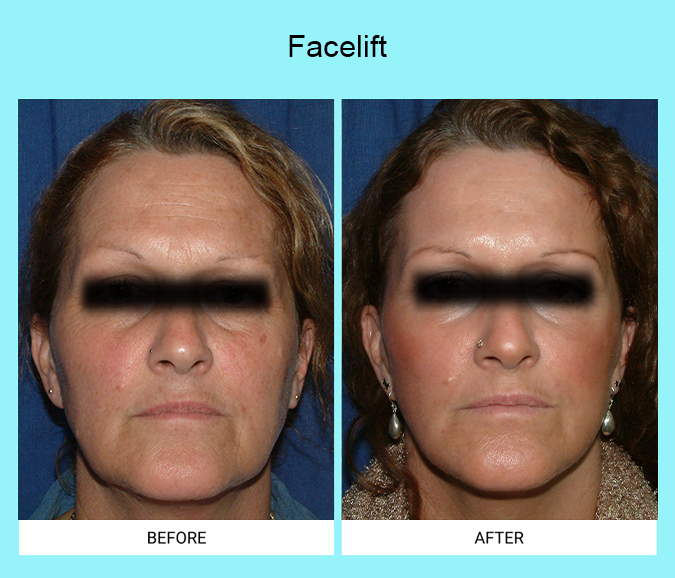
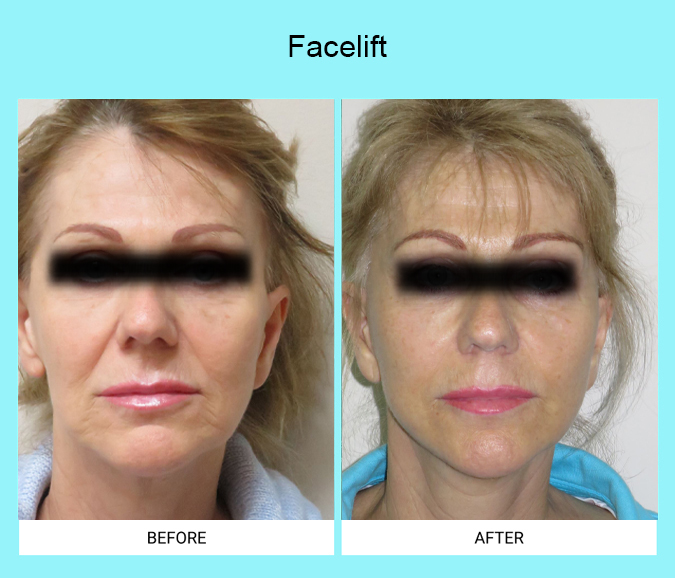
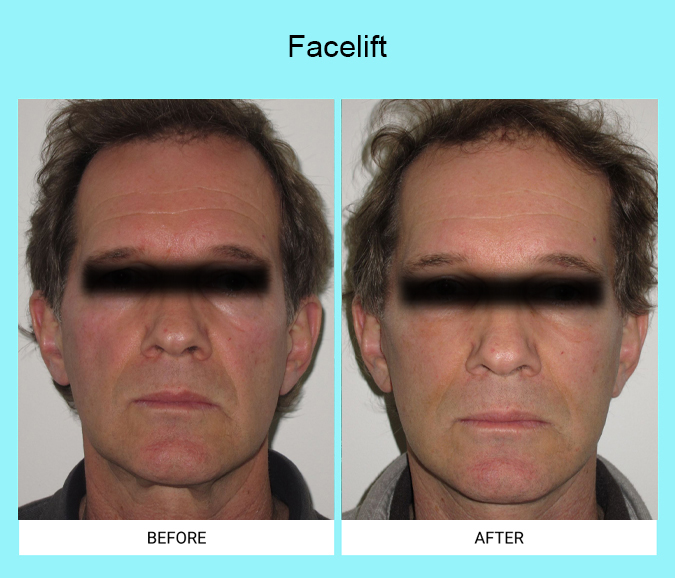
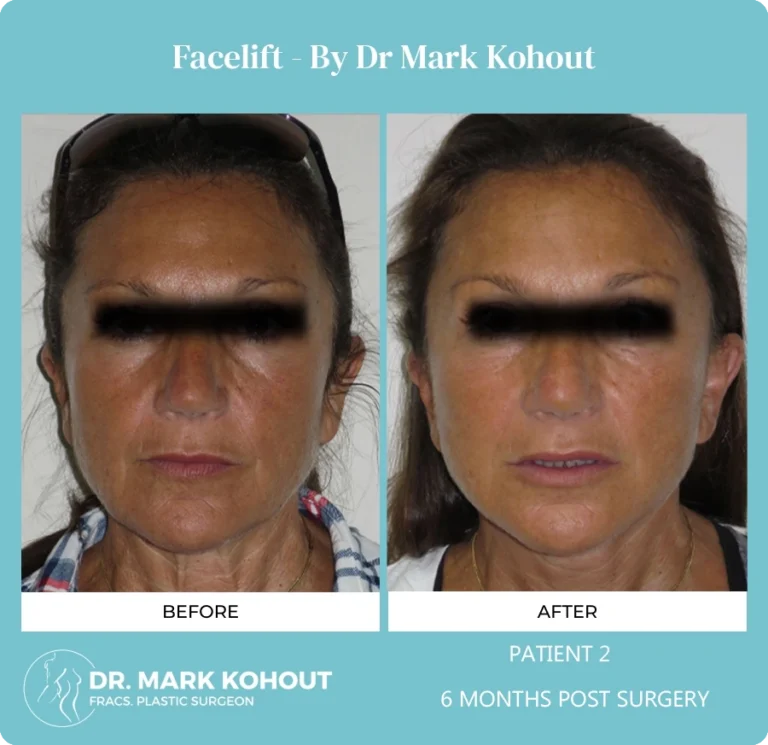
Before and After Photos of Facelift Surgery

See the difference it has made for our clients.

Disclaimer

Individual results vary due to personal health factors and genetics, and all surgical procedures carry inherent risks that should be discussed with a qualified health professional.

This page includes a gallery of before-and-after images for patients who have consented to have their photos displayed. These images are provided for education and discussion only.

When viewing before-and-after photos, it is important to remember that:

  • Everyone’s starting facial structure, skin quality and distribution of volume is different
  • The degree of change reflects the specific surgical plan undertaken for that individual
  • Scars, swelling and fine lines change over time; early post-operative photos may show redness or firmness that softens over many months

Note that individual results vary due to personal health factors and genetics, and that all surgery carries risks that should be discussed with a qualified health professional. During a consultation, Dr Kohout can use selected images to explain what might be realistic for you, while making clear that they are not predictions.

How Is the Procedure Performed?

Three main steps are outlined in a facelift procedure: anaesthesia, incision creation, and tissue tightening and closure. In reality, the operation is carefully planned and involves several stages.

✓ Anaesthesia Administration

Facelift surgery is usually performed under general anaesthesia in an accredited hospital. In some more limited procedures, local anaesthesia with sedation may be considered, but full facelifts and combined face-and-neck procedures are typically done under general anaesthetic.

Before surgery, you will:

  • Attend pre-operative assessments as required
  • Receive instructions about fasting and medication adjustments
  • Discuss pain-relief strategies and post-operative care

The anaesthetist monitors you throughout the procedure and in recovery until you are ready to return to the ward or go home, depending on the length and complexity of your operation.

✓ Incision Creation

The website notes that incisions are made along the hairline and around the ears to reduce visible scarring and provide access to underlying tissues. Common patterns include:

  • Starting in the hairline at the temples
  • Running down in front of the ear, around the earlobe and up behind the ear
  • Extending into the hairline behind the ear where needed

In some cases, a small incision under the chin is also used to address neck bands or excess tissue. The exact pattern depends on your hairline, ear shape, degree of neck involvement and the extent of lift required.

✓ Tissue Tightening and Closure

Once access has been created:

  • The skin and subcutaneous tissue are carefully lifted to expose the underlying SMAS and platysma layers
  • These deeper tissues are repositioned and secured using sutures, sometimes as part of a “deep plane” or SMAS-focused technique
  • Only then is excess skin measured and removed, avoiding excessive surface tension

If neck bands are present, the platysma muscle may be tightened via incisions around the ear and/or under the chin. Liposuction may be used in selected areas to address localised fat under the chin or along the jawline. After adjustments are complete, the skin is redraped and sutured with attention to aligning incision edges and placing them where they can be concealed in natural creases and hair-bearing areas.

Drains may sometimes be placed to remove blood or fluid in the early post-operative period. A dressing and often a light head bandage are applied to support the tissues and protect the incisions.

What Is the Recovery Like?

Recovery usually involves swelling and bruising for around two weeks, prescribed pain relief, avoiding strenuous activities for four to six weeks, and returning to work and regular activities after about two to three weeks. 

✓ Immediately after surgery

  • You typically spend several hours in the recovery area and may stay overnight depending on the scope of surgery and your general health
  • Dressings and sometimes a light bandage are placed around the face and head
  • Swelling and tightness are common; pain is usually managed with oral medications

You will receive instructions about head elevation, wound care and what to watch for in the first 24 – 48 hours.

✓ First week

  • Swelling and bruising are usually most noticeable in the first few days, particularly around the cheeks, jawline and neck
  • You may have a feeling of tightness or numbness, especially around the ears and neck
  • Stitches are often removed within 7 – 10 days, depending on the type used and healing progress

Light activities around the home and short walks are usually encouraged, but you will be advised to avoid bending, heavy lifting, vigorous exercise and activities that raise blood pressure significantly.

✓ One to three weeks

  • Bruising gradually fades; residual swelling persists but slowly improves
  • Many people feel comfortable returning to desk-based work and social interactions from about two weeks, depending on how visible bruising and swelling are and the nature of their roles
  • Makeup can usually be used to camouflage bruising once the incisions have sealed adequately (your surgeon will advise on timing)

By this stage, sutures are generally removed, and dressings may be simplified. You’ll have at least one follow-up appointment to check on healing and address any early concerns.

✓ Three to six weeks and beyond

  • Swelling continues to settle; shaping along the jawline and neck becomes clearer
  • Temporary numbness or altered sensation around the ears and cheeks is common and may take several months to improve
  • Light exercise can usually be increased gradually after clearance from your surgeon; more strenuous activities and contact sports are often delayed for at least six weeks

Scars may look pink or slightly raised at first; they generally soften and fade over 6 – 12 months, though they remain permanent. Long-term follow-up helps ensure any issues such as thickened scars, residual fullness or contour irregularities are identified and discussed.

Any sudden increase in pain, swelling, redness, discharge, fever, shortness of breath or changes in facial movement requires urgent medical review.
Dr Mark Kohout

What Are the Risks?

Facelift surgery carries several risks, including infection, scarring, changes in skin texture and haematoma formation (localised bleeding that may require drainage). Broader surgical literature describes additional potential complications.

Possible risks and complications include (but are not limited to):

  • Haematoma – a blood collection under the skin that may require urgent drainage in theatre
  • Infection – usually managed with antibiotics, but occasionally requiring further intervention
  • Poor scarring – scars can be more visible, wider, thicker or darker than expected, particularly in those prone to hypertrophic or keloid scars
  • Nerve injury – temporary or, rarely, permanent weakness of branches of the facial nerve affecting facial movement, or numbness around the ears and cheeks
  • Skin or hairline changes – small areas of skin loss or hair thinning along incisions can occur, especially in smokers or those with compromised circulation
  • Asymmetry or contour irregularities – differences between sides or irregularities in the jawline or neck; revision surgery may occasionally be considered
  • Prolonged swelling or lumps – localised swelling, fat hardness or irregularities may take time to soften
  • Anaesthetic complications – including allergic reactions, breathing or heart-related events, discussed with the anaesthetist prior to surgery

Risk levels are influenced by your general health, smoking status, previous surgery, the extent of the operation and adherence to post-operative instructions. The site recommends, and national guidelines support, seeking a second opinion from another appropriately qualified medical practitioner before proceeding with any surgical procedure.

What Are the Costs?

Facelift surgery costs vary and usually include the surgeon’s fee, facility charges and anaesthesia, with typical total fees in the range of $25,000–$50,000, plus consultations, follow-up care and medications.

Components of the cost generally include:

  • Surgeon’s fee – for assessment, surgical planning, performing the procedure and scheduled post-operative visits
  • Anaesthetist’s fee – for administering and monitoring anaesthesia during and immediately after surgery
  • Hospital or day-surgery facility fees – covering the operating theatre, nursing care, equipment and consumables
  • Pre-operative investigations – such as blood tests or imaging, where required
  • Post-operative expenses – medications, dressings and any additional follow-up outside the routine schedule

Because facelift surgery is usually considered an appearance-related (cosmetic) procedure, Medicare and private health-fund rebates are often limited or not available. In rare, specific circumstances where surgery is part of reconstructive treatment (for example, associated with facial paralysis), there may be item numbers that apply, but this is assessed on a case-by-case basis according to current Medicare and fund policies. Patients are encouraged to confirm any potential rebates directly with Medicare and their health insurer using the information provided at the consultation.

Many clinics offer financing options, and Dr Kohout’s practice aims to provide flexible payment plans; these are usually arranged through external providers and are separate from clinical decision-making. A personalised estimate is provided after a face-to-face consultation once your anatomy, health status and surgical plan have been reviewed.

Dr Mark Kohout

Facelift FAQs

What areas does a facelift treat?

Facelift surgery primarily addresses the mid-face, lower face and neck – areas such as the cheeks, jawline and sub-mental (under-chin) region. It is not specifically designed to treat the forehead, brow or eyelids, although those areas can be addressed with separate procedures if indicated. Your surgeon will explain which regions are likely to change with the particular technique planned.

Will a facelift remove all my wrinkles?

A facelift focuses on repositioning deeper tissues and removing selected excess skin, so it can reduce some folds and lines related to tissue descent. Fine lines caused by sun exposure and repetitive expressions, especially around the mouth and eyes, may persist and may be better managed with skin-directed treatments and skin care. Combining treatments needs careful planning to balance benefits and recovery.

How long do the results last?

Changes from a facelift are long-term but not permanent in the sense that ageing continues. Many patients feel that the lower face and neck maintain a different contour for several years, but the pace and pattern of ongoing change varies between individuals depending on genetics, lifestyle, skin quality and weight stability. Further procedures may be considered in the future by some patients, though this is not inevitable.

When can I return to work and social activities?

For many people, returning to desk-based work and routine daily activities is possible at around two to three weeks, once most bruising has faded and swelling has decreased to a level they feel comfortable with. Those with physically demanding roles or high public visibility may choose to wait longer. Your surgeon will tailor advice to your job requirements and how your recovery is progressing.

Will I look different to friends and family?

The intention of a facelift is usually to support facial structures in a way that is in keeping with your own features, rather than to make you look like someone else. People who know you well may notice that your face or neck appears changed, while others may not be able to identify exactly what has changed. This varies between individuals and depends on the degree of pre-existing ageing changes, the scope of surgery and how open you are with those around you.

Do I need a GP referral?

A referral from your GP is recommended, especially if you have medical conditions that need to be considered or if you wish your GP to be involved in your overall care. A referral provides your surgeon with important background information and offers you an opportunity to discuss non-surgical and alternative options beforehand. It is also in line with AHPRA guidance on seeking second opinions and coordinated care.

Welcome to the Practice

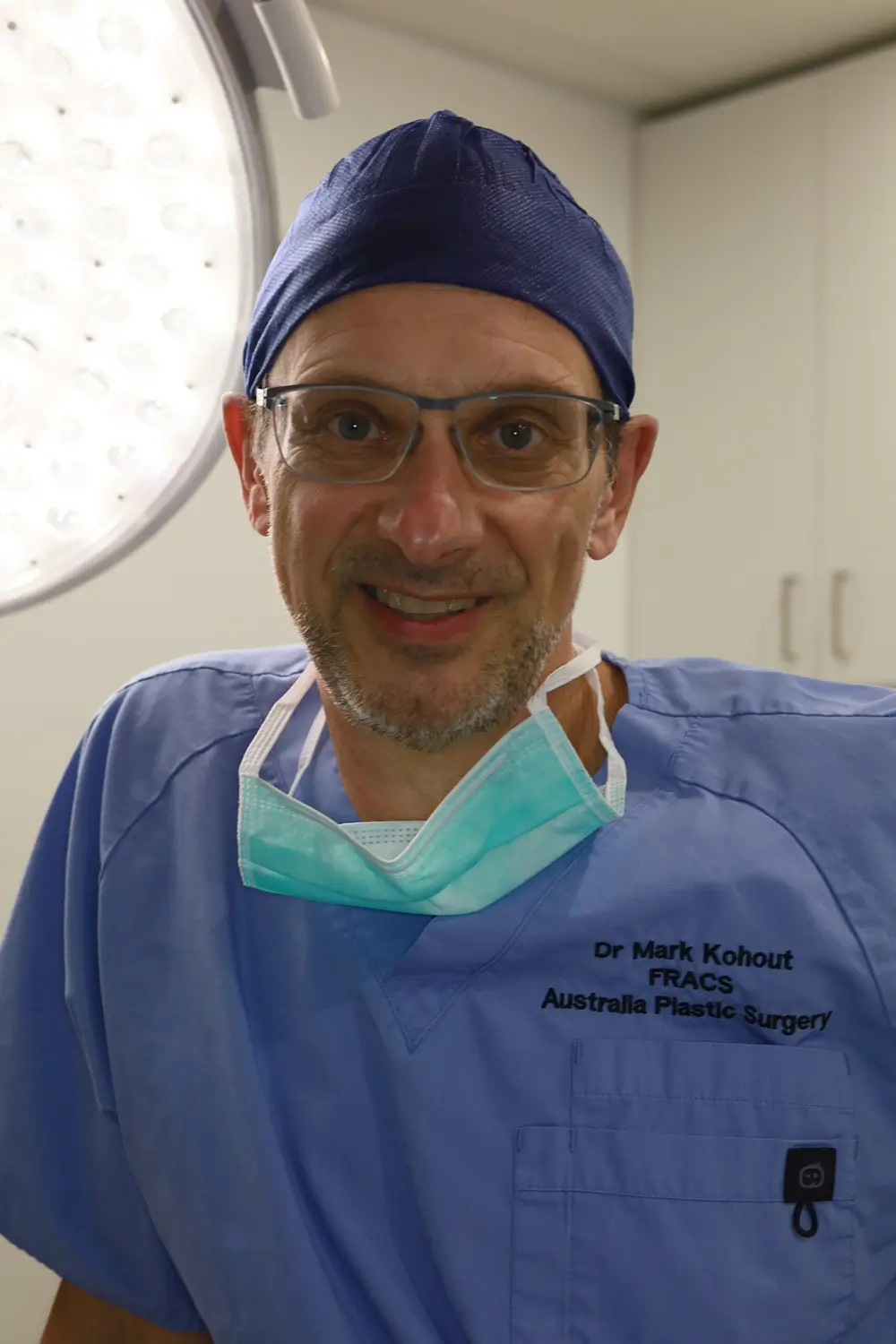
Dr Mark Kohout is a Specialist Plastic Surgeon with more than 25 years of clinical experience, practising in Sydney and Orange. He was awarded his medical degree by the University of Sydney in 1985 and undertook plastic surgery training at Royal North Shore, Westmead, Concord and Prince of Wales hospitals in Sydney, as well as at the Plastic Surgery and Burns Centre in Nottingham, United Kingdom. He completed a microsurgery research project at the University of Melbourne and was awarded a Master of Surgery. Dr Kohout also undertook a Maxillofacial Surgery Fellowship at Harvard Medical School in Boston. He holds Fellowship of the Royal Australasian College of Surgeons in Plastic Surgery and is registered with AHPRA under registration number MED0001133000, with specialist registration in Surgery – Plastic Surgery. 

The practice emphasises:

  • A patient-centred approach, with consultation, surgery and follow-up delivered within accredited settings
  • Clear discussion of procedure options, risks, limitations and recovery timelines
  • Explicit statements that all surgery carries risks, that results vary, and that patients should consider seeking a second opinion from another appropriately qualified medical practitioner before proceeding

Care is provided by a team that aims to support respectful communication and informed decision-making from first enquiry through to long-term review.

Download
Excess Skin
Surgery Guide

Ultimate Procedure Guide - Excess Skin Surgery Card Image

What’s Next?

If you are considering facelift surgery, the next step is usually a face-to-face consultation with Dr Kohout or another Specialist Plastic Surgeon. At this appointment, your medical history and medications are reviewed, your facial structure and skin are examined, and potential options – including non-surgical treatments, alternative procedures, risks, recovery and costs – are discussed in the context of your individual circumstances.

Dr Kohout also offers a patient photo-assessment form, which can help with preliminary planning, but any decision to proceed should only be made after an in-person assessment and, if you wish, a second opinion from another suitably qualified practitioner. Whether you are ready for a professional evaluation or just have a quick question, we’ve made it easy to connect with our team. Choose the option that best fits your needs.

Further Reading

Book your Consultation

Take the first step toward your goals by filling out the brief form below. This information helps us understand your specific needs so we can make the most of our time together during your session. Once you submit your details, a member of our team will review your request and reach out shortly to confirm your appointment.

Patient Photo Assessment

Sending photos for a patient photo assessment can help you and your plastic surgeon prepare for your consultation. By reviewing clear, accurate photos, Dr Kohout can provide preliminary patient photo assessment like insights, assess your needs, and determine the right approach for your procedure.

Tips for Uploading Photos

ASK A FRIEND

Friend takes photo

GOOD LIGHTING

Plain wall, bright light

ALL ANGLES

Front / sides/ 45°

CLEAR & SHARP

No portrait mode

SEND ORIGINALS

No edits or compression

Dr. Mark Kohout Plastic Surgery in Sydney & Orange

Experienced Plastic Surgeon

Dr. Mark Kohout

A qualified plastic surgeon who operates with care and integrity, based in central Sydney with over 20 years of experience in the cosmetic field. His extensive training and experience assures patients they are in highly trained surgical hands. Dr. Kohout is a dedicated, friendly professional who is committed to providing the high quality care, support and results, alongside his compassionate team.

Dr Mark Kohout (MED0001133000)
Specialist Plastic Surgeon
Specialist registration in Surgery – Plastic Surgery

25

Years of Experience

Years of Delivering Exceptional Cosmetic Care.

10000+

Surgical Procedures

Procedures performed by our qualified surgeons.

15+

Available Treatments

Cosmetic treatment options tailored to your needs.

Our Trusted

Accreditations

fracs

Dr Mark Kohout is a qualified plastic surgeon based in central Sydney, with over 20 years of experience in the field of cosmetic and reconstructive surgery. He draws on extensive surgical training and clinical experience to tailor care to the individual needs and goals of each patient.

Dr Kohout is known for his thoughtful, patient-centred approach, guiding individuals through each stage of their surgical journey — from initial consultation to post-operative care. Working alongside a compassionate and professional team, he is committed to providing high standards of care in a supportive and respectful environment.

Locations

Opening Hours

Monday - Friday

8:30AM - 05:00PM

Saturday - Sunday

Closed

Disclaimer: Dr Mark Kohout (MED0001133000) a Registered Medical Practitioner, Specialist Plastic Surgeon. All surgical or invasive procedures carry risks and complications. We recommend seeking a second opinion from an appropriately qualified medical practitioner before proceeding with any surgery. Results depend on individual patient circumstances and can vary significantly. Results may also be impacted by a variety of factors including your lifestyle, weight, nutritional intake and overall health. Consult your Specialist Plastic Surgeon for details. This information is general in nature and is not intended to be medical advice nor does it constitute a doctor-patient relationship. Surgery risks and complications will be covered in detail during a consultation with your Surgeon. We recommend seeking a second opinion from an appropriately qualified medical practitioner before proceeding with surgery.

©2024  All Rights Reserved

This website contains imagery which is only suitable for audiences 18+. All surgery contains risks, read more here.

X

Get Your Facial Aesthetic

Get Your Breast Implant Removal

Get Your Female Genital Surgery Guide

Get Your Excess Skin Guide

Get Your Gynaecomastia Guide

Get Your Liposuction Guide

Get Your Abdominoplasty Guide

Get Your Cost of Surgery Guide

Get Your Breast Implant Replace Guide

Get Your Breast Reduction Guide

Get Your Breast Augmentation Guide

Make an Enquiry